
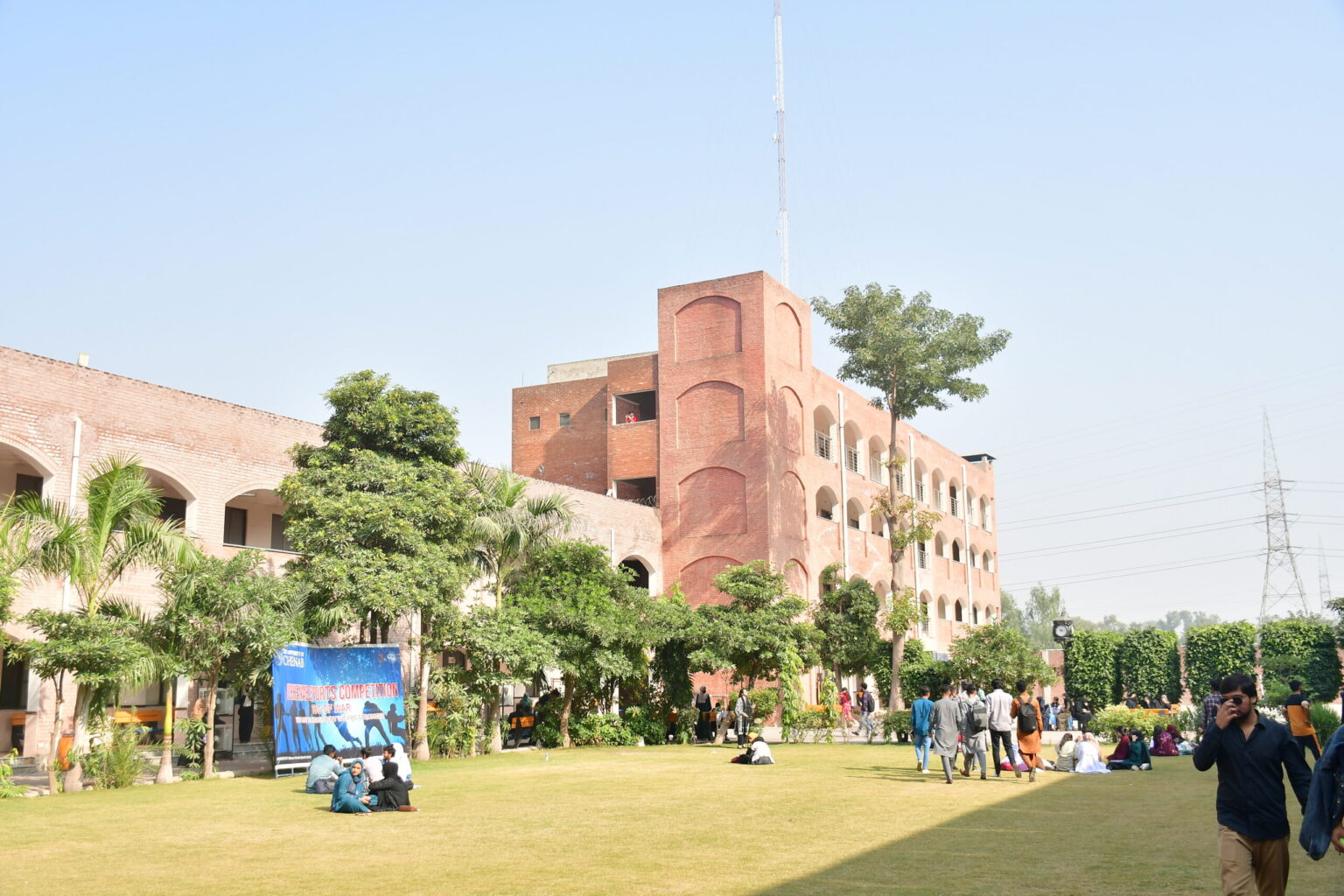
The University of Chenab provides holistic radiography programs helpful at educating students on the use of medical imaging in delivering quality care to patients. This program is a combination of knowledge and practical skills which equip students with careers in the field of diagnostic imaging, radiation safety, and healthcare technology. The university has modern laboratories and a talented faculty that ensures that the students acquire actual experience in the field of radiography practices and medical imaging technologies. This guide explores in detail about radiography course eligibility requirements at UChenab.
Major Radiography Course Eligibility Requirements
Below we will discuss radiography course eligibility requirements in terms of academic, entry test and physical test perspective:
Academic Qualifications
Applicants must have successfully finished Intermediate (FSc) or Pre-Medical or the equivalent course with a minimum of 50-60% marks. Students with a Diploma in Radiology or Medical Imaging can also apply for these programs. This will make sure that the applicants possess the groundwork in the knowledge of biology, physics as well as chemistry. Hence, this is vital in knowing the principles of medical imaging and the ability to carry out practical laboratory activities effectively.
Age Criteria
Primarily, an applicant must be at least 17 years old on the admission date. There is also a limit of 25 years, and some universities can modify this bracket. This criterion will guarantee that the candidates are adult enough to undertake academic and clinical duties without having a loose-fitting schedule. Well, this way they can fulfil professional training in the medical imaging sector.
Entrance Exams and Tests
They might have to administer an entrance test that ensures that their knowledge of biology, physics as well as chemistry is in place. Moreover, the interviews help to evaluate aptitude, reasoning, and communication skills. These exams enable universities to choose students who can handle rigorous coursework and who can communicate with patients and health care teams at the hospital.
Health and Physical Fitness
Among the major radiography course eligibility requirement is that applicants should also be physically healthy to be able to perform clinical duties without risk. Vision as well as hearing tests are a common requirement. Lenses are used in imaging devices and interpret their findings. Physical fitness plays a critical role in the management of patients, prolonged standing and the management of emergency cases in medical imaging settings.
Language Proficiency
Communication in English or Urdu is one of the major radiography course eligibility requirements to communicate both academically as well as clinically. Language proficiency tests are important for non-native speakers. Practical language skills would guarantee that students can understand instructions, record processes, communicate with patients, and effectively cooperate with healthcare workers in medical imaging degrees.
Overview of Radiography Course
The radiography course is both an associate’s and a bachelor’s degree course. It offers extensive training on medical imaging and diagnosis procedures. The program is usually 2-4 years in duration, based on the level of education. It also provides an individual with skills in more complex imaging, including X-ray, CT, MRI as well as Ultrasound. Hence, it focuses on patient safety, radiation protection, and ethical medical practice.
The clinical internships expose students to practical experiences in the practices of the affiliated hospitals, where they can apply their theoretical knowledge practically. BS Radiography in Gujrat is also conducive towards research skills, critical thinking and diagnostic procedures. Upon graduation, students are ready to work in hospitals, diagnostic clinics, and healthcare institutions. They can provide a contribution towards the future of medical imaging technology development.
Career Opportunities after Completion of a Radiology Degree
Diagnostic Radiologist
Radiological diagnostic cells help to diagnose and monitor a disease by a diagnostic radiologist. It interprets medical images such as X-rays, CT scans as well as MRIs. They operate in hospitals, clinics, or imaging facilities and collaborate with doctors in advising them on how to treat their patients. Higher levels of specialization, such as neuroimaging or musculoskeletal radiology, may also be done.
Interventional Radiologist
Minimally invasive procedures that interventional radiologists carry out with imaging guidance include angioplasty, biopsies as well as tumour ablation. This is a job that involves a combination of diagnostic knowledge and practical procedural skills. The graduates can perform their duties in hospitals, special centres, and research institutions.
Radiology Technician/Technologist
Radiology technologists handle imaging equipment, which provides quality images for making diagnoses. They can become CT specialists, MRI specialists, or nuclear medicine specialists. Technologists are employed in hospitals, diagnostic units or mobile imaging units. Growth opportunities such as supervisory positions, equipment training or becoming clinical application specialists in imaging equipment firms.
Research and Academic Careers
Radiology graduates have the opportunity of becoming teachers or even conducting research at a medical college and research facilities. Hence, these are involved in the development of imaging technology, disease diagnosis practices and clinical trials. They can step into academic career development, such as the publication of papers, speaking at conferences, or creating AI-based imaging solutions.
FAQs: Common Questions People Often Ask
- What are the marks requirements to apply for radiography courses?
The applicants should have an FSc Pre-Medical or equivalent with 50 percent or more.
- Does it have an age restriction for admission?
Yes, the applicants are to be between 17 to 25 years, within the university policies.
- Do you take entrance exams?
Yes, the University of Chenab might need an entrance examination where the level of knowledge in science subjects would be tested.
- Is previous medical experience required?
The candidate does not require any prior experience, but a good level in the field of biology is suggested.
- Do they include internships as a course?
Yes, students do go through clinical internships in partnered hospitals to provide them with hands-on experience in radiography.
Unlock Your Future in Medical Imaging with the University of Chenab!
Take the first step toward a successful career in radiography. Enroll at the University of Chenab to access cutting-edge labs, expert faculty, and real-world clinical training. Secure your future in diagnostic imaging today and gain the skills that healthcare employers demand. Apply now online to join a program that combines knowledge, practice, and innovation. Transform your passion for medical technology into a thriving professional career!